
The Fall of the Roman Empire - How Chelsea’s Sale Redefined Sports Ownership
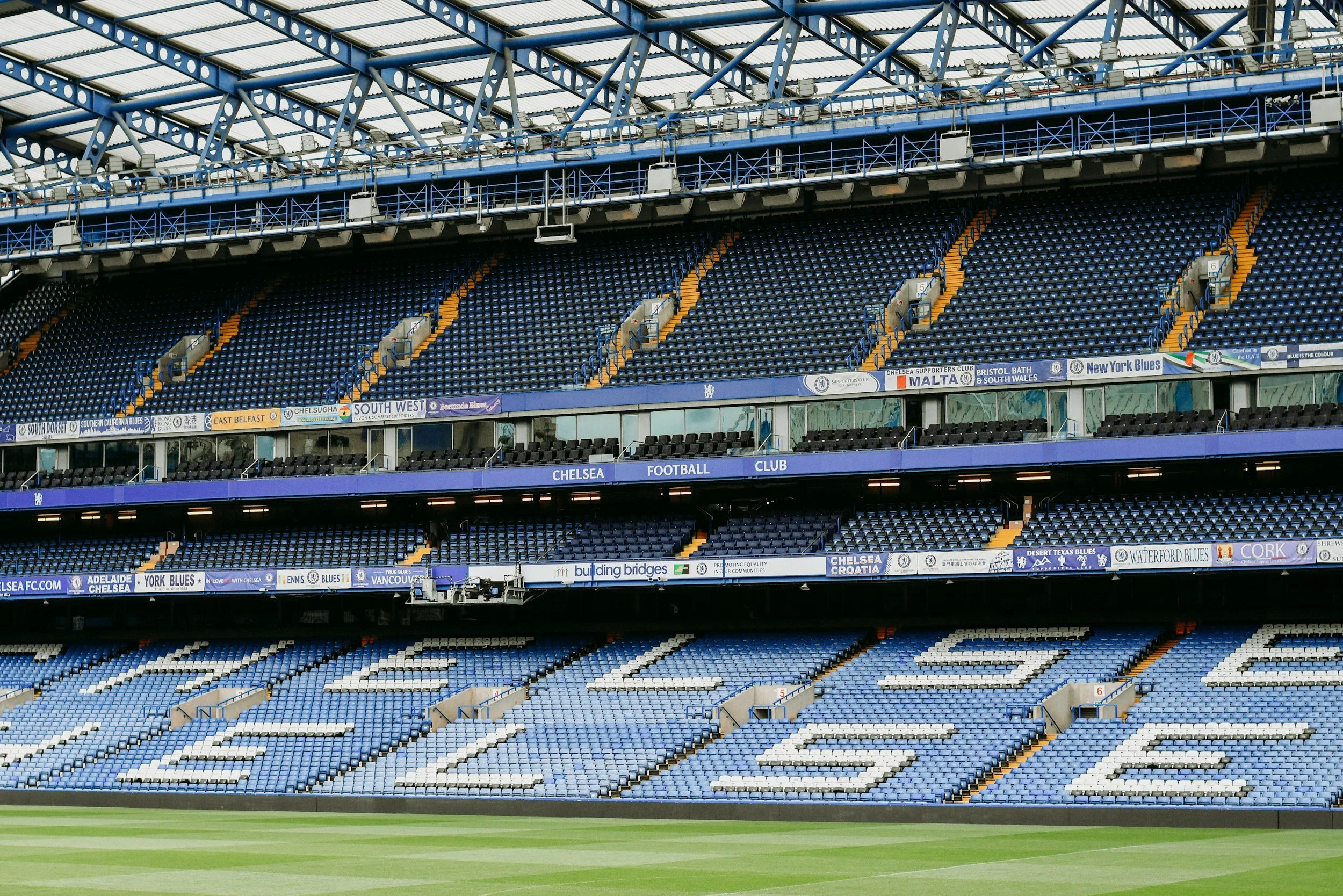
Chelsea’s £4.25 billion sale in 2022 wasn’t just about football — it was a high-stakes collision of geopolitics, private equity, and the future of sports ownership.
The Most Expensive Deal in Sports History
What happens when geopolitics, private equity, and football collide? Chelsea FC’s 2022 sale wasn’t just a transaction, it was a seismic shift that redefined sports ownership. With a £4.25 billion price tag, this was about more than just football; it touched on global politics, economics, and private equity’s growing influence. In this blog, we break down how the deal happened, the legal and political challenges it faced, and what it means for the future of sports ownership.
The Sanction-Fuelled Sale: How Politics Set the Stage
Abramovich’s Kremlin Connections: A Legacy Interrupted
Roman Abramovich didn’t just own Chelsea, he transformed it. From a mid-tier English club to a European powerhouse, his billions built a legacy of trophies and global prestige. But his ties to Vladimir Putin made him a target for sanctions during the Russia-Ukraine conflict, forcing him to sell Chelsea to ensure its survival.
A Race Against Time
The British government imposed stringent sale conditions: Abramovich couldn’t profit, and the proceeds were earmarked for Ukrainian humanitarian aid. This political and legal complexity meant any delays could have left Chelsea financially stranded, a scenario unthinkable for fans and stakeholders alike.
Behind the Headlines: The Legal and Political Maze
Unusual Conditions and Stakeholder Demands
The sale involved multiple interests, from government oversight to private equity firms and even high-profile investors like Serena Williams. Unique conditions included:
Strict Financial Commitments: Buyers had to commit over $2 billion in further investments, covering stadium renovations and support for Chelsea’s women’s team.
Ownership Restrictions: The new owners couldn’t sell their shares for a decade, nor could they take dividends, add management fees, or load Chelsea with debt.
Frozen Proceeds: To prevent Abramovich from profiting, sale funds were frozen and designated for humanitarian aid.
Legal Quicksand: The Property Rights Issue
Though Abramovich agreed to relinquish control of the proceeds, legal roadblocks have left the funds frozen in a UK account. International law typically protects private assets from seizure without criminal charges, creating a legal challenge for UK authorities. Further complicating matters, Abramovich wanted funds to support both Russian and Ukrainian victims, clashing with UK policy.
The “Anti-Glazer” Clauses: Safeguarding Fans’ Interests
Chelsea’s sale included clauses to prevent a leveraged buyout model like Manchester United’s Glazer ownership. These protections could set a precedent for future sales, ensuring clubs prioritise financial stability over profit-driven models.
The Broader Political and Economic Implications
Political Oversight in Ownership
Chelsea’s sale reflects a trend of governments scrutinising foreign investments in sports. As clubs become cultural and financial assets, tighter regulations and political decisions will shape future ownership deals.
Private Equity’s Influence: A Double-Edged Sword
Private equity brings financial expertise and long-term stability, but it also prioritises profitability over tradition. This ongoing tension will determine whether football clubs remain community-focused or evolve into corporate-driven entities.
The Chelsea Blueprint: A New Era in Sports Ownership
Chelsea’s transition from a Russian oligarch’s asset to a private equity-backed team marks a turning point in sports ownership. This sale highlighted the intersection of politics, law, and finance, setting new standards for future deals.
With private equity playing an increasing role in football, the next decade will reveal whether this trend strengthens clubs or distances them from their fanbases. One thing is certain: the game has changed, and the world is watching.